The Salkantay Trek 4 Days has earned its reputation as one of the most beautiful, challenging, and spiritually uplifting treks in Peru. Serving as a popular alternative to the classic Inca Trail, this route offers dramatic mountain scenery, high passes, cloud forests, deep canyons, river valleys, and ultimately, Machu Picchu—with fewer crowds and more wilderness. For those looking to combine adventure, nature, culture, and an attainable four‑day hike, the 4‑day Salkantay Trek delivers a rich experience.
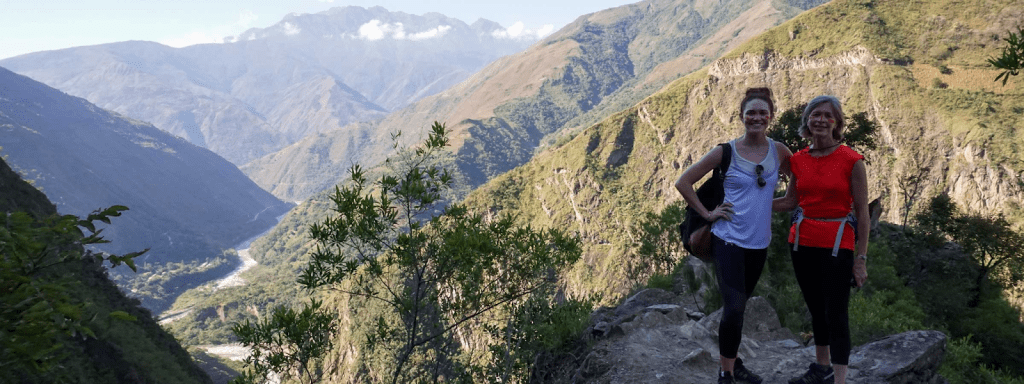
Why Choose the 4‑Day Salkantay Trek?
- Spectacular landscapes & diversity: You’ll traverse snow‑capped peaks (including the imposing Salkantay), cross high mountain passes, descend into lush cloud forests, and walk among rivers and tropical greenery. The diversity of ecosystems is one of the biggest draws.
- Less crowded, more remote: Because this path is not part of the traditional Inca Trail permits, there tends to be fewer trekkers. You experience more solitude and wilderness.
- Feasible in limited time: Four days allows you to cover a lot—high mountain passes, beautiful lakes, jungle, and Machu Picchu—without committing to longer weeks. It’s demanding, but doable with proper preparation.
Typical Itinerary: 4 Days / 3 Nights
Below is a sample itinerary. Exact routes and timings vary among tour companies, but this gives a good idea of what to expect.
Difficulty, Conditions & What to Expect
- Altitude: The highest point is typically Salkantay Pass at ~4,600‑4,650 meters above sea level. That means cold, thin air, and risk of altitude sickness if unprepared.
- Terrain: Steep ascents and descents, rocky passes, sometimes muddy trails especially after rain, sun exposure, potentially cold nights.
- Weather: The dry season (roughly May‑September) tends to offer clearer skies; outside of these months you may face rain, slippery conditions, and even landslides in certain segments. Some operators avoid the trail in certain months due to weather risk.
- Fitness & preparation: Moderate‑to‑high fitness level is required. Prior hiking, cardio work, training with weighted packs helps. Acclimatization in Cusco or Sacred Valley is strongly recommended.
What’s Included & Costs
Understanding what a tour package includes (and doesn’t) is key to evaluating value. Different operators offer different levels of service. Here are typical inclusions, exclusions, and cost ranges.
Common Inclusions
- Transport from Cusco to trailhead and return to Cusco (or via train/bus)
- Guide, cook, porters (gear & camping equipment)
- Meals (breakfast, lunch, dinner) while on trek
- Camping tents, sleeping arrangements, sometimes basic gear rental
- Entrance fee to Machu Picchu and early‑morning bus to/from Aguas Calientes in many packages
Common Exclusions / Extras
- Sleeping bag, air mattress, trekking poles if you don’t own them (these are often rental options)
- Hot showers (camps may have cold showers, optional hot at extra cost)
- Tips for guides, porters, cooks etc.
- Hotel nights before or after trek unless specified Optional side activities: Hot springs, climbs of Huayna Picchu or Machu Picchu Mountain, etc.
Cost Range
- Prices depend heavily on service level (economy, standard, comfort, luxury), group size, time of year, return method (train or bus), and extras.
- For example: one operator offers “group service” with return by train from ~ US$320 per person.
- Another deluxe package or luxury lodging options can cost US$500‑700+ depending on upgrades.
- The budget or “economic” level may cost closer to US$250‑350, though these often come with more basic services or fewer amenities.
Practical Tips for a Successful Trek
- Acclimatize well
Spend at least 2–3 days in Cusco (≈ 3,400 m) or the Sacred Valley before the trek to help your body adjust to altitude. This reduces risk of altitude sickness. - Physical preparation
Train with cardiovascular workouts, hiking with weight, stair climbing, etc., especially if you are not used to mountain hiking. - Gear & packing
- When to go & weather
- Dry season (May to September) is best. Shoulder months (April, October) possible—expect more chances of rain.
- Avoid under heavy rain season or times when landslides are more likely. Some operators do not run the trek in certain months due to safety concerns.
- Dry season (May to September) is best. Shoulder months (April, October) possible—expect more chances of rain.
- Hydration & altitude awareness
Drink plenty of water, eat well, rest. Use coca tea or altitude medication if needed. Be aware of signs of altitude sickness (headache, dizziness, nausea). Don’t push too hard. - Booking & permits
Book through a reputable company. 4 Day Salkantay Trek Ensure Machu Picchu entrance tickets are included. In high season, train tickets (if used) and lodgings fill fast. - Respect the environment & local communities
Travel responsibly: leave no trace, avoid single‑use plastics, support local businesses, use guides who treat porters well.
Variations & Alternatives
- Some luxury versions offer “sky lodges” or special cabins/campfires with more comfort. If you prefer less rugged camping, these are worth considering.
- Optional hot springs (e.g. in Santa Teresa / Cocalmayo) can be added to give rest and recovery.
- Return by train vs walk + bus from Hidroelectrica offers trade‑offs: trains are faster, more scenic; walking along tracks gives more time in nature but can be tiring.
Sample Costs & What to Budget
Here are realistic numbers to help you plan financially. All approximate, subject to change, depending on season and provider.
Risks & What to Expect
- Weather hazards: Rain, cold nights, muddy or slippery trails. Landslides may occur in wetter periods.
- Altitude sickness: Can be serious if ignored. Symptoms may include headache, nausea, shortness of breath. Be prepared; if symptoms are severe, don’t proceed.
- Physical fatigue and muscle strain: The trek has long climbing and descending sections. Sore legs, blisters, etc., are common.
- Logistics/travel delays: Weather, trail conditions, transport (train or bus) can be unpredictable. Build in buffer time where possible.
Conclusion
TheSalkantay 4 Day Trek to Machu Picchu is far more than a hike—it’s an expedition of the senses, a journey through altitude, ecosystems, Andean culture, and ancient history. Over four days and three nights, you will face physical challenges, experience dramatic natural beauty—from the icy peaks above Soraypampa to lush jungle valleys—and finally culminate in one of the world’s most iconic archaeological sites.
Yes, the trek demands respect: for altitude, weather, and your own limits. Proper preparation in fitness, gear, acclimatization, and mindset is essential. But for those who make the effort, the reward is immense: solitude and wilderness, breathtaking panoramas, nights under high‑altitude stars, and the triumphant arrival at Machu Picchu often with sunrise illuminating the citadel.
If you’re considering the 4‑day Salkantay Trek, plan ahead, choose a reputable operator, pack smart, listen to your body, and allow the trail to teach you something. In the end, it’s not only about the final destination—it’s about what you discover on the path: about nature, culture, and yourself.
 Triplora
Leave a comment