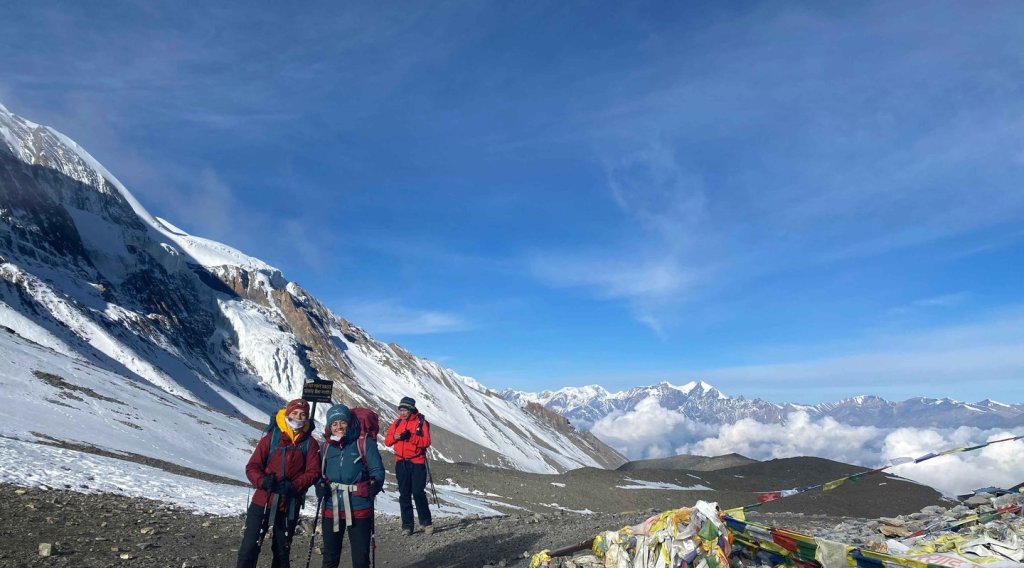
Nepal — Annapurna Circuit. One of the few very classic, must-do treks (at least once in a lifetime) of the travel world is the Annapurna Circuit in Nepal. It passes through green valleys, dry plateaus, and under a number of the area’s maximum peaks. With its dramatic vistas and wealthy cultural records, the trail gives a once-in-a-lifetime enjoy to countless hikers.
Whilst you may trek the Annapurna Circuit any time of the 365 days, the fall (mid-September to early-December) is by far the maximum favorable time of year to move. The elements are perfect, the views are unobstructed, and it is a once (assuming you time things and prep accordingly) in a life time opportunity. In this guide, we dive deeper into what you can expect when trekking the Annapurna Circuit during the autumn season; what the weather is really like, some tips, and insider tricks to get the best from your trip.
I found out why you should do the Annapurna Circuit in Autumn last month.
Travelling in Nepal, Autumn is the late monsoon. The next moment, when the sun starts shining, the storms have cleared, and they’ve been washed clean, smell truly good, and are lush: replete with blue skies and dry trail that is much easier to hike. The other was cold and pure and perfect for climbing. Well, those mountains — strangely often covered during the wetter months of the year — are on full display in all their jaw-dropping splendor. In the background are towering snow-covered behemoths like Annapurna I, Dhaulagiri and Machapuchare(sorry, don’t make me look up the mountain names and spellings, I’m tired) and your achy-breaky heart is for every step of the way made worth it because it truly does have one more postcard shot that you’ll never forget — no joke, add this to the list of thoughts that you plan you’ll have while on your deathbed.
BEAUTIFUL NEPAL( Naturally diverse, other than happening): Aside from the natural beauty of Nepal and diversity in natural things, Nepal does have natural biodiversity as well, which can be explored in autumn. This season also includes significant local festivities such as Dashain and Tihar. There’s going to be decorations and some locals might even be playing traditional music, and it’s just going to be a colourful, lively display with the people and their culture.
Here’s What the Weather Will Feel Like This Fall
Annapurna Circuit Trek I divided the Himalayan autumn into three categories: the closing days of September, October, and November. Needless to say, every year is unique, and it’s nice to have some indication of what to expect so you can shape your hike.
September. There may also be lines of the monsoon in late September, specifically at lower elevations. The chance of rain remains, and some trails are still muddy and slippery. And the result, paradoxically, is reduced mass and some truly lovely green landscapes. Eventually, rain ceases, and it turns out to be fair weather, towards the end of the month.
October: Trek the Annapurna Circuit for most folks. Then the weather is evening out a little for us, so we get a few crisp sunny days, and not too bad a crisp temperature. While the trail is free of snow, the view into the distance is wide open, affording riders sweeping mountain views on nearly every section of the ride. Meanwhile, it is high season on the circuit, and trekkers from all over the world are descending to take advantage of the prime conditions.
Not the least of these is the fact that it begins to get cold in November, especially when you’re about 9,000 feet up. Days are sunny and bright, with clear skies, but it can get very cold at night. But the skies are clear, and the mobs are parting, and you’ve got some space. Start of Dec is fine, but a little suspicious (as in walking up there) about a few high passes (like Thorong La) with snow.
Mastering ‘The Fall Seasons’ when You’re Out There Hiking
The game plan for fall hiking is to layer. Mornings and evenings will still be cold, and don’t forget to layer up as you ascend, but those daytime temps will be cold enough for a moment you may forget it’s still winter. Three simple layers – base layer, insulation, and breathable waterproof outer – will work to keep you warm and adjust as conditions change through the day.
Sun creams are to replace warmth. Exposure is higher still on its high-elevation, sunny slopes. Sunglasses, sunblock or sunscreen, and ana little sun hat prevent sunburn and itchy skin.
Those are on the dry side; however, the weather inside the Himalayas may be fickle. You may additionally need to chuck a light rain jacket or poncho in there as well, just in case. In case you’re unprepared, a quick bath is sufficient to drench you and leave you shivering.
Start your trekking days early. Morning. The morning Gling is the sky being mostly clear, nd clouds are expected to form later. You’ll see more, you’ll be able to take higher photographs, and also you’ll have more time among locations to walk earlier than the mercury begins to plummet.
Finally, maintain yourself hydrated. That’s probably cheating, but your body does produce a fair bit of sweat at altitude (especially when you spend multiple hours hiking every day). Make sure to drink lots of water and bring your purification tablets or filter – the water you’ll find on the way is of very low quality.
Planning and Timing Your Trek
If you can swing it, try to start the hike in early October so they will experience the best weather and the definitive conditions. That brings a couple of benefits: You’ll have much more predictable weather, and you’ll bypass the busiest months of what is high season. If you like to have the trail all to yourself, and don’t mind some chilly nights, it could be another erstwhile good month to get on the trail.
(And remember, on the Annapurna Circuit, you’re both climbing and descending at multiple elevations — from some 800 meters (2,600 feet) in the lowlands to more than 5,400 meters (17,700 feet) at its culminating point, the Thorong La Pass.) which is to say: it can get crazy, anywhere you are. Check the snow forecast and inquire with the teahouse proprietors/guides approximately day-of snow situations.
There’s no necessity to lease a guide or porter, even though it is fantastically advocated, especially in fall when the trails have a tendency to be busier and conditions at the higher mountain can be more fickle. A guide facilitates making you safer and the cultural divide you regularly come upon whilst riding, he said, by way of making you aware of local customs.
Final Thoughts
Trekking within the fall of the Annapurna Circuit is the highlight of an entire life. The passage offers the senses a hundred such ghosts – the golden forests, the wide valleys, the towering snow-covered peaks, and the painted hamlets that line its course. A little bit of planning and some local knowledge of the fall weather, and it’s a trip you can pull off with confidence.
Pack well, save your breath, and submit to the beat of the mountains. The Annapurna Circuit is not merely a trek — it’s a path right through the soul of Nepal.
 Triplora